


Skicka feedback
Do Silicone Hoses Make a Difference? The Truth About Auto & Vehicle Silicone Hoses
Branschnyheter-Snabbt svar: ja — en ren silikonslang gör en mätbar skillnad jämfört med en vanlig EPDM-gummislang, främst vad gäller livslängd och värmetolerans snarare än i hästkrafter. Silikon tål ungefär 300–350°F kontinuerligt mot cirka 225–250°F för gummi, motstår nedbrytning av ozon och kylvätsketillsatser som gör att gummi spricker inifrån och ut, och varar vanligtvis 8–10 år mot 3–5 år för gummi under samma förhållanden. Skillnaden är mest märkbar på turboladdade, high-boost- eller banddrivna fordon där risken för slangbrott är högre; på ett milt motorrum för daglig förare handlar uppgraderingen mer om livslängd och sinnesfrid än en prestandavinst du kan känna.
"Silikonslang" dyker ständigt upp i modifieringstrådar och reservdelskataloger, ofta ihopsatta med prestandapåståenden som inte håller för granskning. Det ärliga svaret är att en silikonslang inte tillför hästkrafter av sig själv – men den löser ett verkligt, mätbart problem med hur gummislangar åldras, och det spelar roll mer ju hårdare en motor körs. Den här artikeln beskriver exakt var skillnaden är verklig, var det är marknadsföring och vad du ska kontrollera innan du köper ett slangpaket.
Gör silikonslangar någon skillnad? Det korta svaret, förklarat
Skillnaden beror på materialkemi, inte magi. Standardslangar för bilar är gjorda av EPDM (etylenpropendienmonomer) gummi, som är hållbart men bryts ned under tre specifika förhållanden: ihållande värme över ~250°F, långvarig UV/ozonexponering och långvarig kontakt med moderna kylvätsketillsatser. Silikonslang - speciellt flerskikts, förstärkt ren silikon - motstår alla tre mycket bättre, vilket är anledningen till att den praktiska fördelen visar sig som färre fel över tiden snarare än ett dyno-arknummer.
| Egendom | Standard EPDM gummi | Ren silikonslang |
|---|---|---|
| Kontinuerlig värmetolerans | ~225–250°F | ~300–350°F |
| Typisk livslängd | 3–5 år | 8–10 år |
| Ozon/UV-sprickningsmotstånd | Måttlig; spricker med tiden | Hög; minimal nedbrytning |
| Flexibilitet i kallt väder | Stelnar märkbart under fryspunkten | Håller sig smidigt långt under fryspunkten |
| Typisk kostnad per slang | $8 - $20 | $20 - $60 |
Värmetoleransgapet är viktigast under förstärkning, där yttemperaturerna på laddningsröret och intercooler-slangen kan stiga långt över vad en gummislang är klassad för ens kort, vilket mjukar upp materialet och skapar en framtida utblåsning vid klämförbandet. Det spelar också roll på kylvätskesidan: EPDM som utsätts för dagens kylvätsketillsatser med förlängd livslängd tenderar att bli spröd från insidan, ett felläge som är osynligt vid en visuell inspektion tills slangen splittras.
Där en Auto silikonslang Ändrar faktiskt ägarupplevelsen
Att rama in detta kring användningsfall är mer användbart än en filtrekommendation, eftersom värdet på en silikonslang skalar med hur hårt och hur länge fordonet körs.
Turboladdade och förstärkta motorer
Detta är den enskilt vanligaste anledningen till att entusiaster uppgraderar till silikon. Laddningsrör och intercooler-kopplingar ser upprepade värmecykler från tryckluft, och en standardgummikoppling som är marginell från fabriken är en vanlig felpunkt efter 60 000–80 000 miles. En förstärkt silikonkopplare med samma förstärkningsklass tolererar helt enkelt fler värmecykler innan den tröttnar.
Spårdagar och långvarig körning med höga varvtal
Ihållande höga kylvätske- och intagstemperaturer påskyndar nedbrytningen av gummi mycket snabbare än daglig pendling. Förare som spårar sin bil till och med ibland ser ofta hur en gummikylarslang blir mjuk eller börjar gråta i ändarna inom en eller två säsonger av hård användning - ett misslyckande som en silikonmotsvarighet motstår betydligt längre under samma förhållanden.
Heta eller extrema klimat
Fordon som sitter i motorrumstemperaturer förvärrat av hög omgivningsvärme - öken somrar i sydväst, till exempel - sätter gummislangar genom en accelererad åldringscykel. Silikons högre baslinje värmetolerans ger mer marginal innan materialet börjar härda och spricka.
Dagliga pendlare i milda klimat
Detta är fallet där skillnaden är minst. En vanlig gummislang på en naturligt aspirerad pendlarbil i ett tempererat klimat kan rimligen hålla livet ut av typiskt ägande. Silikon här är mer en "installera en gång, glöm det" livslängdsuppgradering än en fix för ett aktivt problem.
Snabbt tips
Om budgeten bara tillåter uppgradering av ett fåtal slangar, prioritera de närmast turbon, intercooler-kopplingar och eventuella slangar som är svåra att komma åt för framtida utbyte. Lättåtkomliga slangar är billigare att byta senare om de misslyckas, så det arbetsbesparande värdet av silikon spelar mindre roll där.
Silikonslang för fordon Typer och vad var och en löser
Inte alla silikonslangar tjänar samma syfte, och att välja fel skiktantal eller förstärkning för applikationen underskrider fördelen. Genom att förstå kategorierna nedan förhindrar du överutgifter på fel specifikation.
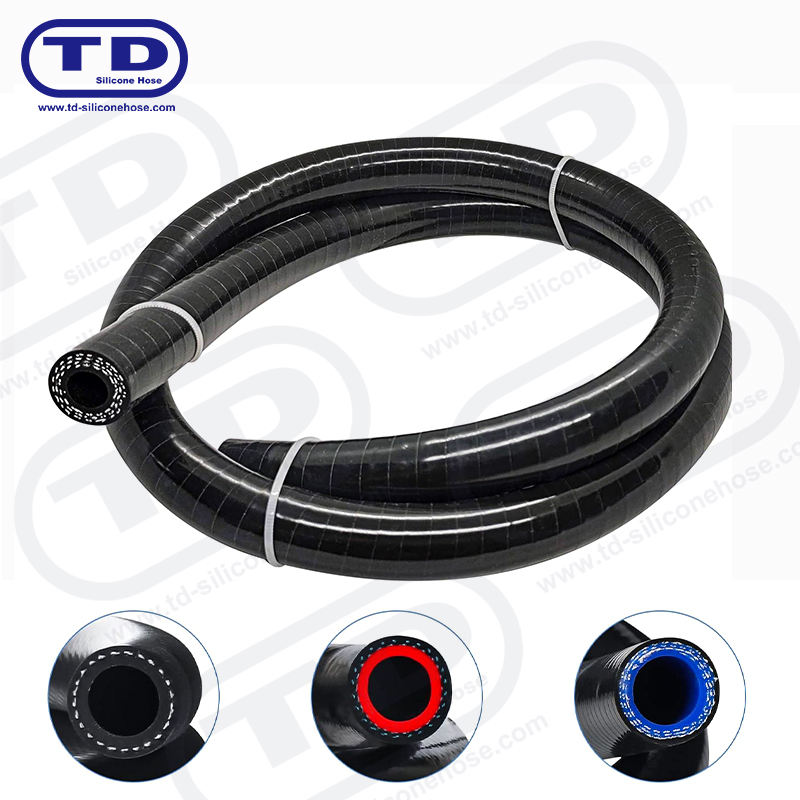
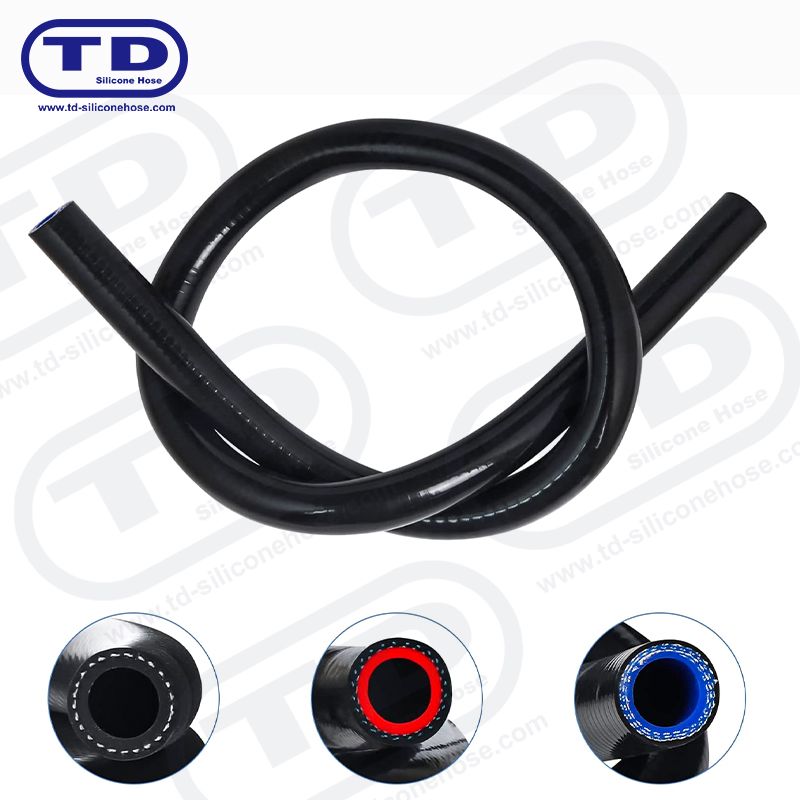
- Kylvätskeslangar: Typiskt 3-lagers med ett förstärkningsskikt av polyester mellan silikonskikten, klassat för kylvätskesystemets tryck och värme. Detta är den vanligaste silikonuppgraderingen eftersom kylvätskeslangar misslyckas mest förutsägbart när gummi åldras.
- Turbo / insugningsrör och kopplingar: Vanligtvis 4-lagers eller högre för extra sprängtrycksmarginal under förstärkning, eftersom dessa ser både värme och tryck cykla samtidigt.
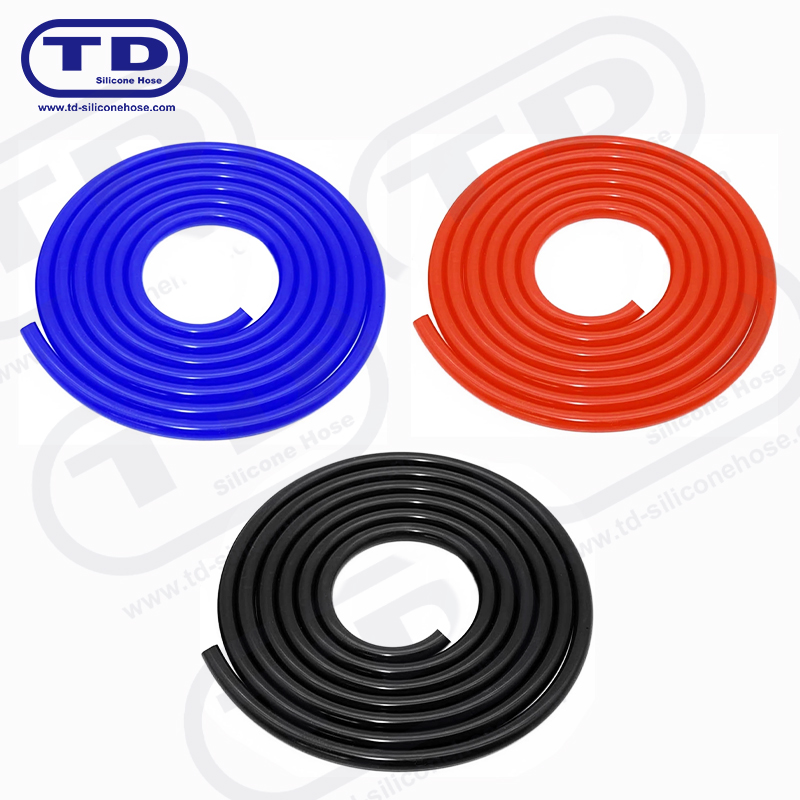
- Vakuum och PCV slangar: Tunnare silikon designad för flexibilitet kring täta dragningar, prioriterar värmebeständighet framför sprängtryck eftersom dessa linjer inte ser högt tryck.
- Värmarens kärnslangar: Liknande specifikationer för kylvätskeslangar men dimensionerad för de mindre anslutningarna till värmeelementet; ofta förbises vid uppgraderingar av kompletta slangpaket.
Universal Automotive Pure Silikonslang : Vad du ska kontrollera innan du köper
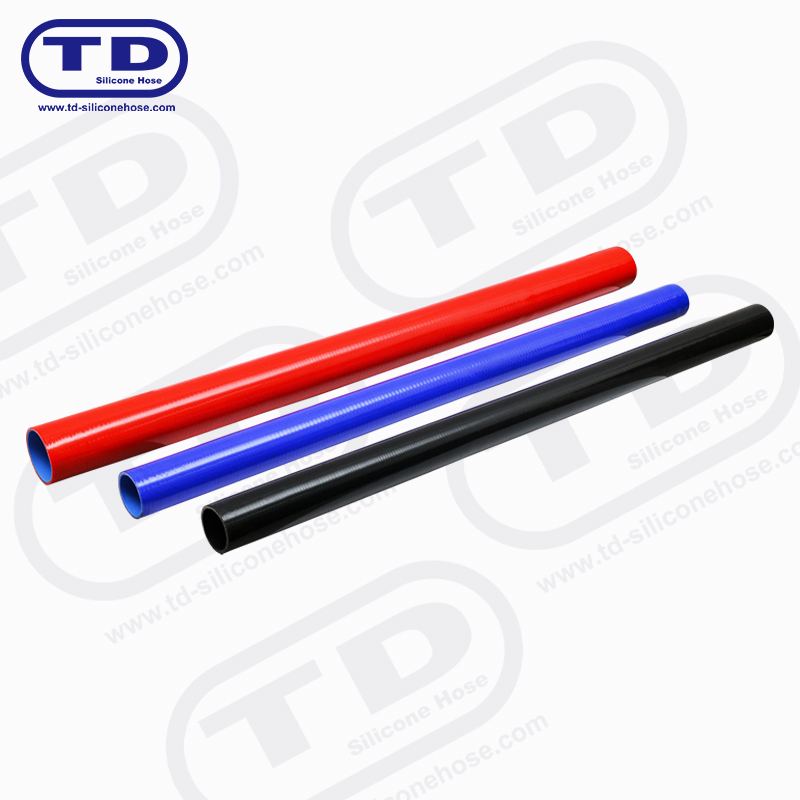
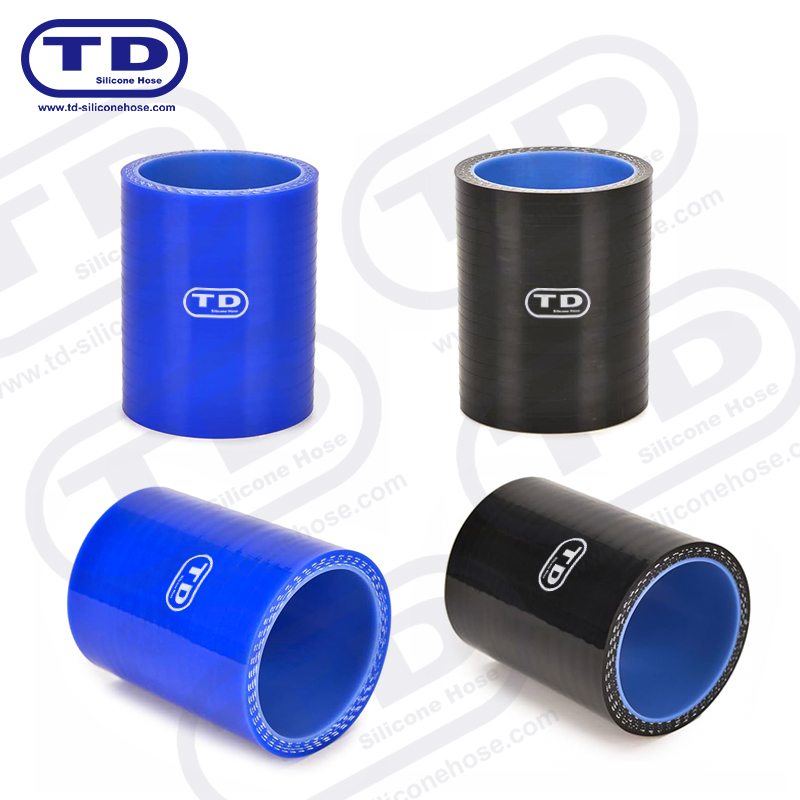
"Universell" silikonslang - säljs som raka längder, armbågar och reducerar snarare än fordonsspecifika kit - är vanligt för anpassade inlopps- och intercooler-rörprojekt. Eftersom den inte är matchad till ett specifikt märke och modell är några extra kontroller viktiga innan köp.
- Bekräfta ren silikon, inte en silikonbelagd blandning. Vissa budgetslangar är av gummi eller en kompositkärna med endast en ytterbeläggning av silikon, som förlorar det mesta av värmen och livslängden samtidigt som den ser likadan ut från utsidan. Äkta flerskikts ren silikon bör lista skiktantalet och förstärkningsmaterialet i specifikationsbladet.
- Matcha innerdiametern exakt. Universalslang säljs i fasta ID-steg (vanligtvis 1,5", 2", 2,5", 3", etc.); en slang även lite överdimensionerad förlitar sig helt på klämtrycket för att täta och är mer benägna att läcka under förstärkning.
- Kontrollera sprängtrycket mot ditt boostmål. En slang rankad långt över ditt faktiska driftstryck ger en verklig säkerhetsmarginal snarare än att löpa vid dess nominella gräns kontinuerligt.
- Verifiera temperaturklassificeringen för den specifika platsen. En slang som är klassad för allmän användning i motorrummet kanske inte matchar den högre specifikationen som behövs direkt vid turbouttaget; kontrollera betyget mot var slangen faktiskt kommer att sitta.
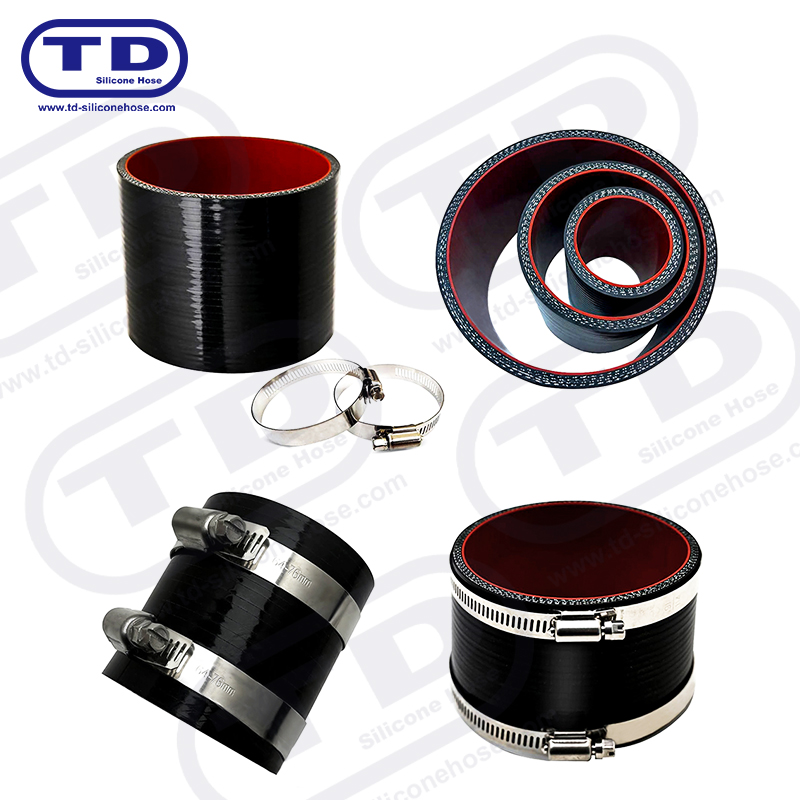
- Använd rätt klämmor. T-bultklämmor fördelar trycket jämnare runt silikonslangen än vanliga snäckväxelklämmor och är standardkopplingen för förstärkta applikationer - att para ihop en kvalitetsslang med fel klämma underskrider uppgraderingen.
300–350°F Typisk kontinuerlig värmetolerans för ren silikonslang
8–10 år Typisk livslängd kontra 3–5 år för standardgummi
4-lagers Gemensam förstärkningsspecifikation för förstärkt turbo/intercoolerslang
Vanliga missuppfattningar att undvika
- "Silikonslangar tillför hästkrafter." Det gör de inte direkt. Varje upplevd vinst kommer vanligtvis från att fixa en läckande eller kollapsande gummianslutning som redan begränsade luftflödet - silikonslangen korrigerar ett problem, inte skapar ny kraft.
- "Alla ljusfärgade slangsatser är prestandaklassade." Färgen är kosmetisk. Antal lager, förstärkningsmaterial och sprängtrycksklassning är de specifikationer som faktiskt avgör prestanda, och lågkvalitetsslangar säljs i samma ljusa färger som premiumslangar.
- "Silikonslang behöver aldrig bytas." Det varar betydligt längre än gummi, men klämmorna lossnar, slangar kan fortfarande skadas av nötning eller skräp, och regelbunden inspektion är fortfarande värt besväret - särskilt på bandrivna eller högförstärkta inställningar.
- "Universell slang passar alla applikationer utan modifiering." Universalslang kräver mer noggrann diametermatchning och ofta lite trimning för att passa ordentligt; det är inte en drop-in-ersättning som ett fordonsspecifikt kit är.
Sista takeaway
Silikonslang gör en verklig, väldokumenterad skillnad i värmetolerans och livslängd jämfört med standardgummi - uppgraderingen är mest värt besväret på turboladdade, banddrivna eller högvärme-klimatfordon, och minst brådskande för milda dagliga pendlare. När du köper, prioritera bekräftad ren silikonkonstruktion, korrekt diameter och skiktantal för applikationen och korrekta klämmor framför slangfärg eller marknadsföringspåståenden om hästkrafter.
Vår produkt //
Ningbo Tiannai Auto Parts Co., Ltd. Alla rättigheter reserverade. Alla reserverade.
